
Storage Tank Data Monitoring
Real-time cloud-based monitoring and IoT control for fuel storage systems
Monitor tank levels, water ingress, fuel temperature and system integrity across storage locations with real-time alerts and automated reporting.
Fuelcare's 4G-connected monitoring system delivers real-time data visibility across fuel storage locations in marine, rail, offshore, and aviation sectors. The monitoring system captures tank level, water ingress, temperature and structural integrity data 24/7.
Automated alerts notify operations teams when thresholds are exceeded and the system's API integrates with existing fleet management and SCADA systems for streamlined data workflows.
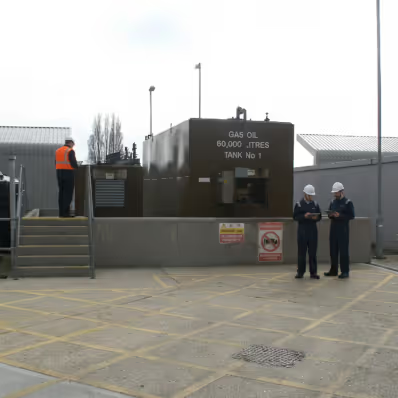
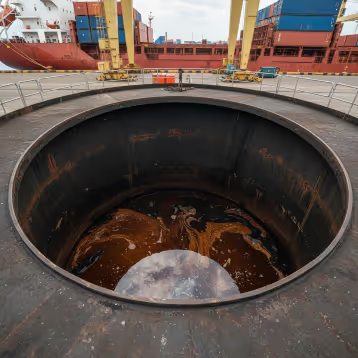
Why Storage Tank Data Monitoring Matters
Laboratory fuel testing provides a snapshot at a single point in time. Storage tank conditions change continuously - water accumulates, temperatures fluctuate, microbial growth develops.
Automated monitoring fills this gap, providing real-time visibility of tank condition between scheduled test intervals.
The Issue
Fuel condition changes between test intervals often go undetected, with manual tank checks providing incomplete visibility. Without real-time monitoring, contamination develops gradually until equipment failure occurs, resulting in unplanned downtime and increased maintenance costs.
Our Solution
Automated 24/7 monitoring of tank level, water ingress, and temperature triggers alerts when thresholds are exceeded, enabling early detection and preventative intervention before equipment degradation occurs.
Storage Tank Data Monitoring Process
4G IoT sensors deployed at tank measurement points capture real-time data on fuel level, water ingress, temperature and structural condition, transmitting continuously to the cloud dashboard for storage tank monitoring.
Contact us for deployment requirements and service options specific to your infrastructure.
System Assessment
On-site evaluation of tank infrastructure, measurement points, and integration requirements. Defines sensor specification and deployment locations for accurate real-time monitoring.
Sensor Installation & Configuration
4G-connected sensors installed and calibrated at defined tank measurement points to capture fuel level, water ingress, temperature, and structural integrity data. Alert thresholds configured to operational requirements.
Data Capture and Alerts
Continuous 24/7 data capture transmitted to cloud dashboard. Automated alerts triggered for low fuel level, high water content, abnormal temperature, or structural anomalies, with notifications sent to designated operations and technical staff.
Data Reporting & Integration
Historical trends and analytics accessible via web-based dashboard with customisable reports. Real-time data feeds integrate with fleet management systems and SCADA platforms via API, with monthly compliance reports provided.
Real-Time Fuel Storage Monitoring Dashboard
A web-based platform aggregating continuous sensor data across all monitored tanks into a single interface. View live tank conditions, alert history, and trend data - accessible from any device, at any time.
Live Tank Metrics
Fuel level, water content, temperature, and structural status displayed in real time for each monitored tank.
Threshold Alerts
Automated email and SMS notifications triggered when monitored parameters exceed defined operational limits.
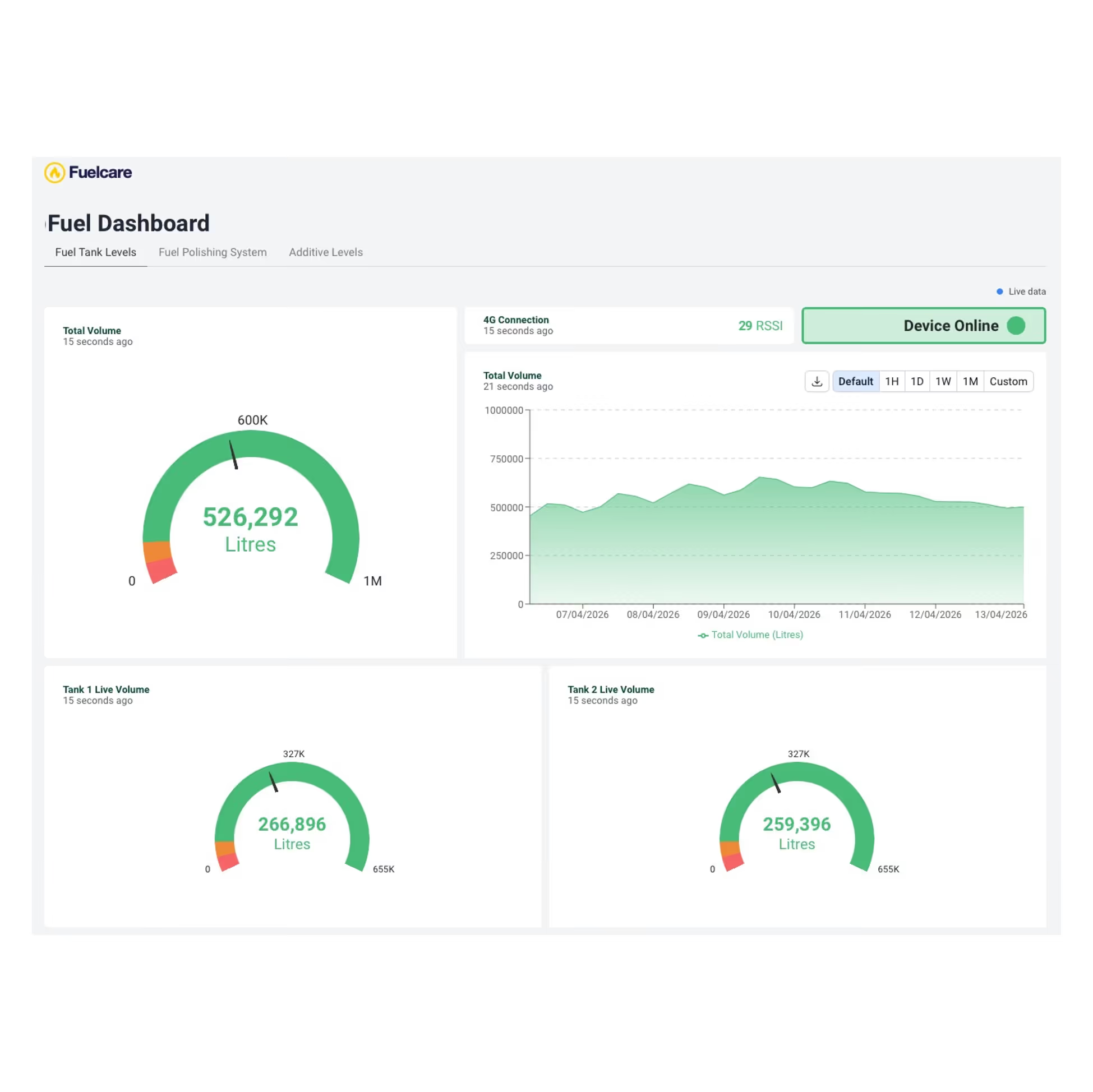
Historical Analytics
Trend data for fuel consumption, water accumulation, and temperature fluctuation, supporting root cause analysis and maintenance planning.
System Integration
API connectivity enables direct data flow into existing fleet management, asset management, and SCADA systems.
What is Monitored
Real-time monitoring of tank condition and fuel system integrity
Real-time measurement of fuel level across all connected storage tanks. Tracks consumption patterns, verifies delivery quantities against invoices, and identifies unexpected level drops indicating potential leaks or system anomalies.
Continuous detection of water accumulation in tank systems. Early warning of moisture ingress from condensation, precipitation, or failed seals, preventing microbiological contamination and fuel degradation before equipment impact.
24/7 monitoring of tank temperature. Identifies thermal stratification, heating system issues, or abnormal conditions affecting fuel stability and system performance across seasons and operational conditions.
Monitoring of tank structural condition through pressure and internal anomaly detection. Alerts maintenance teams to potential corrosion, tank degradation, or mechanical issues requiring preventative action.
Real-time tracking of fuel flow rates and dispensing activity across all connected fueling points. Detects anomalies in fuel distribution, identifies system performance issues, and supports asset-level consumption analysis.
Benefits of Storage Tank Data Monitoring
Identify issues before they compromise fuel quality and operational performance
Accurate Diagnostics
Real-time monitoring data combined with accredited laboratory analysis provides precise, quantified diagnostics of tank condition, fuel quality status, and system performance, identifying emerging issues and their severity before operational impact.
Early Detection & Prevention
Automated monitoring captures changes in tank level, water ingress, and temperature in real time. Alert thresholds trigger notifications before minor anomalies escalate into equipment failure, unplanned downtime, or regulatory non-compliance.
Data-Driven Decisions
Historical trends and real-time data dashboards provide engineers, operations teams and procurement with evidence-based insights for maintenance scheduling, fuel system optimisation, treatment planning, and supply chain quality decisions.
Which Industries and Sectors Use Storage Tank Data Monitoring?
Rail Operators
Monitors fuel depot storage tanks to maintain consistent fuel quality across the distribution network, supporting reliable engine performance.
Aviation
Ensures aviation fuel storage meets strict specification requirements, detecting contamination or degradation before it affects engine performance.
Marine & Offshore
Detects water ingress, temperature changes, and contamination in bunker and operational fuel storage, reducing maintenance costs and supporting regulatory compliance.
Power Generation & Data Centres
Monitors backup and primary fuel storage to prevent degradation and contamination that could compromise generator reliability during critical or emergency operation.
Military & Defence
Maintains fuel specification compliance across defence equipment and vehicle fleets in demanding operational environments, supporting asset availability.
Heavy Industry & Mining
Monitors bulk fuel storage to detect degradation and contamination before it causes equipment performance issues or unplanned downtime.
Bulk Storage & Terminals
Maintains fuel specification compliance across storage and distribution infrastructure, preventing contamination before despatch.
Fuelcare Storage Tank Data Monitoring FAQs
Find answers to frequently asked questions about Fuelcare's Storage Tank Data Monitoring Services.
Fuelcare's 4G IoT monitoring system continuously tracks: fuel level (for stock management and delivery planning), water ingress (early detection of contamination before it causes engine damage), fuel temperature (which affects fuel quality and microbial growth risk) and structural integrity parameters. All data is transmitted in real time to a cloud dashboard accessible on any device.
The system is configured with user-defined threshold alerts. When a monitored parameter - such as water level, fuel volume or temperature - exceeds a set threshold, automated alerts are sent to designated contacts via SMS, email or in-app notification. This enables teams to respond to water ingress, unexpected fuel loss or low stock before they escalate into operational problems.
Yes. Fuelcare's monitoring system supports API integration with existing SCADA systems, fleet management platforms, building management systems (BMS) and enterprise reporting tools. This allows fuel performance data to feed directly into your operational dashboard without a separate interface. Contact Fuelcare's technical team to discuss integration requirements here.
Yes. The system communicates via 4G, making it suitable for remote or unmanned sites including offshore platforms, rural fuel depots, remote rail fuel points and unmanned power generation facilities. Where 4G coverage is limited, Fuelcare can advise on connectivity options for the most remote locations.
The monitoring hardware logs data locally during any connectivity interruption. When the 4G connection is restored, all logged data is automatically synchronised to the cloud dashboard, maintaining a complete and accurate historical record. Prolonged connectivity loss triggers a system alert to operations teams.
Fuelcare's engineers install all hardware and configure the cloud platform, typically completing installation in a single site visit. The system is designed for low-maintenance operation; firmware updates are applied remotely. Fuelcare provides ongoing technical support and scheduled maintenance visits can be arranged as part of a service agreement.