
Fuel Biocides for Microbial Control in Hydrocarbon Fuels
Microbial contamination is one of the most damaging and costly threats to any fuel system. Bacteria, fungi, and algae thrive where fuel meets water - clogging filters, corroding tanks and fuel lines, and degrading the quality and efficiency of your fuel before you even know there's a problem.
Fuelcare's range of professional-grade, EU BPR compliant fuel biocides are scientifically formulated to eliminate and prevent microbial growth in hydrocarbon fuels - protecting your fuel system, extending its operational lifespan, and keeping your equipment running at peak performance.
How Fuelcare Biocides Optimise Fuel System Performance
Fuelcare biocides are formulated to target microbial contamination, safeguarding fuel quality and critical infrastructure within operational parameters.
Control Microbial Growth at Source
Diesel biocide treatment eliminates bacteria and fungal growth within the fuel system before it develops into sludge and biofilm deposits that block filters and accelerate system degradation.
Protect Against Tank Corrosion
Active microbial growth accelerates corrosion of metal tank surfaces and fuel lines. Biocide treatment removes the biological cause - reducing the risk of corrosion and extending the service life of storage assets.
Maintain System Reliability
Keeping fuel free from microbial contamination protects injectors, filters and pumps from contamination-related wear and blockage - reducing unplanned maintenance and keeping equipment operating to specification.
Three Proven Biocide Formulas
Tested across transport, industrial and commercial fuel systems, Fuelcare's BPR approved fuel biocides eliminate bacteria and fungal contamination in stored fuel.
All three formulations are effective across middle distillate fuels including diesel, gas oil, HVO, kerosene and marine gas oil, and are selected based on fuel type, tank configuration and contamination profile.
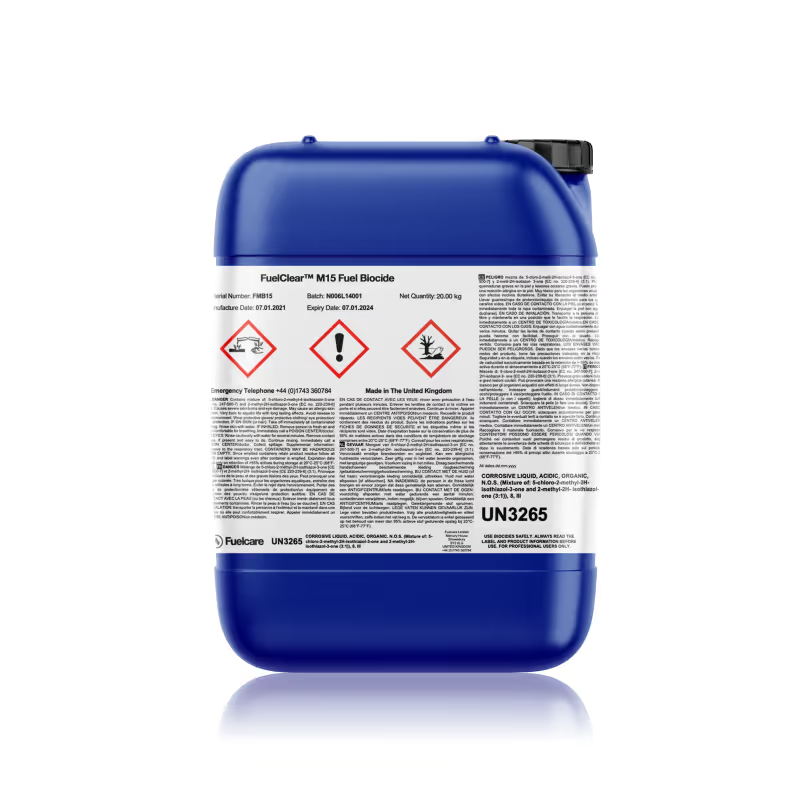
FuelClear™ M15
High-performance biocide preventing and eliminating microbial contamination in hydrocarbon fuels

Kathon™ FP 1.5
The world’s leading broad-spectrum preservative and disinfectant for treatment of diesel, aviation, kerosene and heating fuel

FuelClear™ M68
High-performance fuel preservative for non-industrial applications such as marine & heating fuel.
Technical support built for demanding operations
Fuelcare engineers work directly with your teams to help select the right biocide formulation, manage dosing requirements and stay compliant with relevant industry and regulatory standards.
With experience across shipping, offshore, military, aviation and rail fuel systems, we understand that operational environments vary and that product recommendations need to reflect that.
From initial assessment through to ongoing treatment support, our specialists are available at every stage of fuel management.
Regulatory Guidance
Support with BPR compliance, international maritime standards, OEM approvals and diesel bacteria treatment documentation requirements.
Application Support
Advice on dosing rates, treatment protocols and product selection based on your fuel type, tank configuration and contamination history.

Fuel Biocides FAQs
Find answers to frequently asked questions about fuel biocides and their applications.
A fuel biocide is a chemical treatment that kills and prevents the growth of microorganisms - including bacteria, fungi and yeast - in hydrocarbon fuel systems. Microbialcontamination (commonly called 'diesel bug') thrives at the fuel-waterinterface in storage tanks, producing sludge, biofilm and organic acids that clog filters, corrode metal components and cause engine failure. A fuel biocide is the only reliable way to eliminate an active infestation and prevent recurrence.
Microbialgrowth in fuel requires three conditions: water (from condensation, ingress or delivery), a food source (the hydrocarbons in the fuel) and warmth. Modern fuels containing FAME (biodiesel) are particularly susceptible because FAME absorbs water more readily and provides additional nutrients for microorganisms. Diesel bug can develop in any stored fuel - from heating oil tanks to large marine bunkers.
Common signs of microbial contamination include: frequent or unexplained filter blockages, dark or cloudy fuel, visible slime or sludge at tank bottoms, a foulor sulphurous odour, loss of engine power or misfires, and unexplained corrosion on tank walls or fuel system components. The definitive confirmation method is fuel sampling and laboratory testing (IP-385 or IP-472 methods). Fuelcare offers both on-site sampling and accredited laboratory testing services.
The correct biocide depends on your application and any OEM or regulatory requirements. FuelClear™ M15 is recommended for most industrial, marine,offshore and rail applications - fast-acting, BPR-approved and NATO-compliant. Kathon™ FP 1.5 is specified where OEM or charter agreements mandate isothiazolone chemistry. FuelClear™ M68 is designed for smaller volumes in marine leisure, heating oil and agricultural use. Contact Fuelcare's technical team if you are unsure which product suits your system.
No. MBO (2-mercaptobenzothiazole) was reclassified as a Category 1B carcinogen under the EU CLP Regulation in December 2018, restricting its use as a biocidal active substance under EU and UK BPR. None of Fuelcare's biocide products contain MBO. All three formulations - FuelClear™ M15, Kathon™ FP 1.5 and FuelClear™ M68 - use fully BPR-approved active substances with current regulatory status, suitable for use in commercial, industrial, marine and defence fuel systems.
Yes. All Fuelcare biocides are registered under the UK Biocidal Products Regulation (UK BPR) and comply with EU BPR and REACH requirements. FuelClear™ M15 additionally holds NATO compliance and worldwide regulatory approvals, making it suitable for use across international commercial and industrial fuel operations. Product registration numbers and compliance documentation are available in Fuelcare's Technical Resources library.